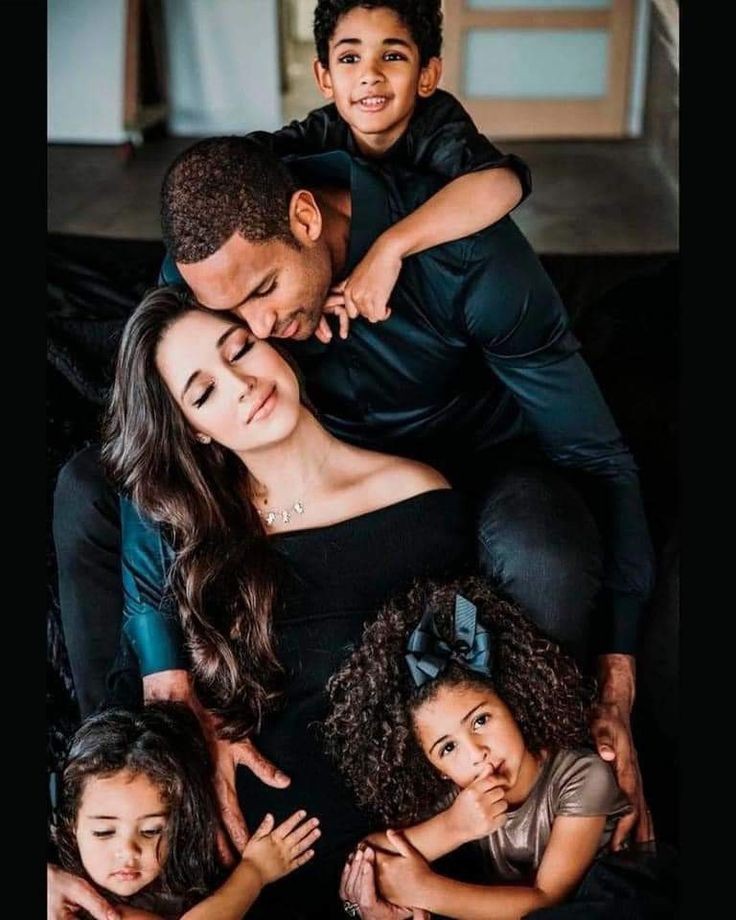
The Dominican Republic has a rich cultural history rooted in strong family ties that have endured since the 1700s. These familial connections provide unwavering support, love, and a sense of belonging. However, as modern ideas seep into our community, they threaten to undermine what has kept our families strong for generations. This shift is reshaping how men and women interact, leading to a decline in traditional values and roles.
Strong Family Ties: A Historical Perspective
For centuries, Dominicans have cherished family above all else, prioritizing the collective over the individual. This strong sense of kinship fosters resilience, allowing us to thrive even in adversity. Family gatherings, communal support, and nurturing relationships have been the cornerstones of our identity, empowering Dominican families amidst challenges.
The Infiltration of Modern Thinking
As radical individualism and progressive gender roles gain traction, our cherished norms face new challenges. While some of these modern ideas promote equality and progress, they can also lead to unintended consequences. The traditional masculine role—encompassing being a protector, provider, and leader—is increasingly questioned, leaving many men uncertain about their identities.
This cultural shift is reflected in the changing fashion choices among Dominican men. Today, it’s common to see men wearing pants sagging below their hips, often associated with prison culture. This trend raises questions about self-respect and true masculinity.
Consequences for Dominican Women
For Dominican women, this evolving reality is troubling. The decline of traditional courtship leaves them navigating a confusing social dynamic where meaningful connections are scarce. Women deserve to be cherished and pursued, not left in the shadows of uncertainty.
The Challenge of Representation in Music
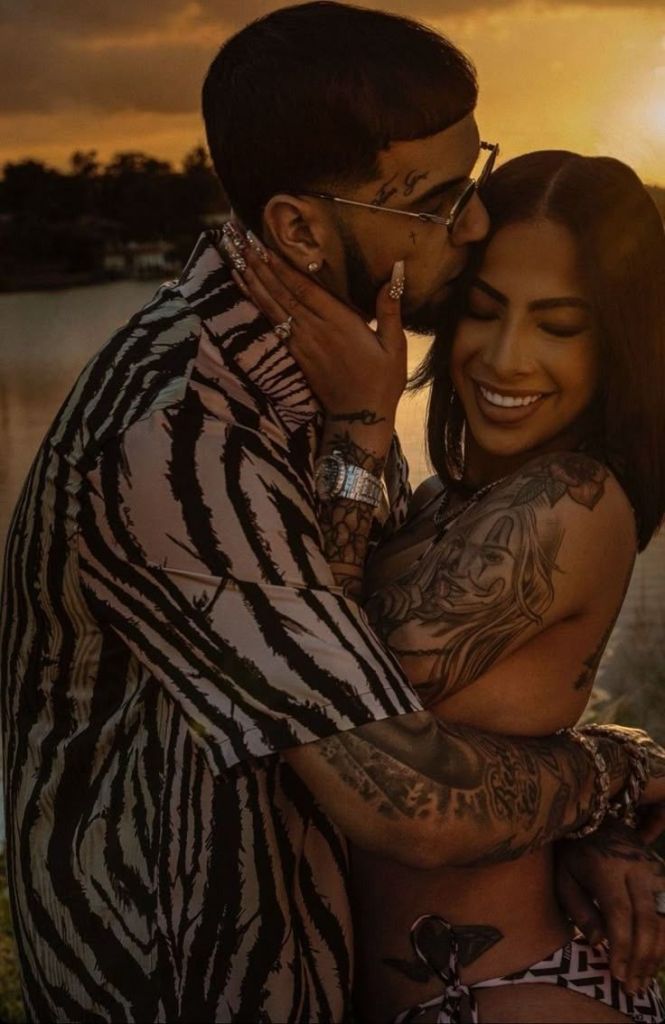
In this context, the representation of women in music has become increasingly concerning. Unlike the United States, which has room for a variety of artists—from wholesome figures like Taylor Swift to the more provocative Nicki Minaj—Dominican music lacks similar diversity. The rise of female artists like Yailin and La Materialista, who often embrace over-sexualized themes, overshadows any positive representation of Dominican women.
While there are talented female artists trying to present a more wholesome image, they often struggle to gain recognition. Many are relegated to social media platforms like TikTok, singing positive and empowering songs that don’t garner the same attention as more vulgar content. This creates a landscape where young Dominican women might feel pressured to conform to degrading standards to gain visibility and success.
Conclusion
The essence of being Dominican lies in our commitment to family, community, and mutual respect. As modern ideas come into play, it is crucial that we maintain our traditions while embracing progress. Let’s encourage open dialogue about the impact of modern thinking, masculinity, relationships, and the representation of women in our artistic expressions.
Are you proud that Dominican women are portrayed as nothing more than sex objects?
 Tales Of The Chair
Leave a comment