There was a time when comedy was about connection—finding humor in the small, shared moments of everyday life. People laughed because they recognized themselves in the jokes, because they saw their own experiences reflected in a warm, familiar way. But somewhere along the line, comedy took a different turn. Instead of drawing genuine laughter, many comedians today seem more focused on saying the most shocking things they can think of, just to provoke a reaction.
These days, jokes often leave us feeling uneasy, like we’re supposed to laugh but aren’t sure if we should. People might laugh, but it’s more out of shock than true enjoyment—a nervous, hesitant laugh that doesn’t carry the same warmth or connection it once did.
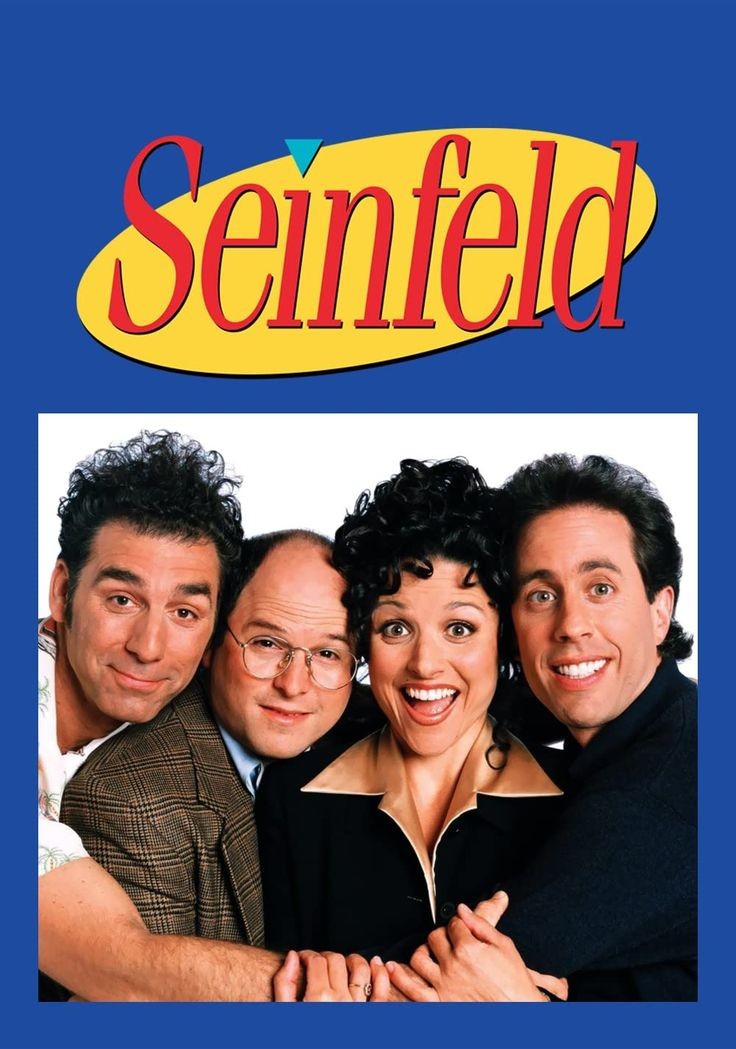
One of the reasons older shows still resonate is because of how effortlessly funny they are. They don’t rely on shock value, sarcasm, or edgy statements; they find humor in the small, relatable moments of everyday life. The characters make us laugh by reacting naturally to ordinary situations—whether it’s navigating an awkward conversation, misunderstanding a social cue, or getting frustrated by life’s little inconveniences. The humor feels natural, never forced, and that’s what gives these classics their staying power.
Back then, comedy didn’t chase controversy or aim to “go viral.” The humor came naturally, and people connected with it because it felt genuine. These shows weren’t trying to shock anyone; they simply found humor in the lives we all lead. And maybe that’s why they resonate with people even decades later.
But today, comedy seems to have taken a sharp turn. Modern comedians often seem more interested in pushing boundaries than creating genuine laughs. Their jokes are harsh, critical, even dismissive, leaving audiences with laughter that feels hollow, like a reaction rather than true joy.
Then there’s the blurring of lines between comedy, entertainment, and politics. In the past, each had its own space, its own purpose. But now we see comedians telling corny jokes at political rallies, and celebrities endorsing candidates openly. Personally, I’ve never been interested in politics. I don’t do politics, and with comedians now telling jokes at these events, I’ve lost even more interest. It feels like everything’s been thrown into a blender, with no clear lines or sense of purpose. There’s a time and place for everything, but these days, it all seems mixed up.
When people say, “It’s just a joke,” they’re often hiding behind humor to mask their true beliefs. Humor can sometimes reveal underlying judgments or biases, especially when it comes across as sarcastic or condescending. These kinds of comments reveal more than humor—they reveal the way the comedian actually sees the group or individual they’re joking about. And when it’s brushed off as “just a joke,” it dismisses the genuine frustration and discomfort of those who feel misrepresented.
Handle Sarcasm with Calm Confidence
If someone makes a sarcastic or condescending remark toward you, try not to react immediately. Instead, take a breath and give yourself a moment to assess the situation. Often, sarcastic comments are designed to provoke a reaction, so staying calm helps you avoid getting pulled into the negativity. You can respond by saying something like, “Can you clarify what you mean by that?” or “I’m not sure I understand—could you explain?” This approach puts the focus back on the other person to explain their comment, often defusing the sarcasm and encouraging more genuine communication.
The word sarcasm itself comes from the Greek word sarkazein, which means “to tear flesh” or “to bite the lip in rage.” Originally, sarcasm was intended to cut, wound, or mock—a way to express scorn. Sarcasm isn’t just playful banter; it’s often a form of verbal irony meant to put someone down or ridicule them. When comedians rely heavily on sarcasm, it creates a tone that feels less like humor and more like thinly veiled hostility.
This shift from warm, relatable humor to sarcasm, condescension, and shock has changed the nature of comedy. Instead of laughing because we feel a connection, we’re laughing because we’re caught off guard or feel pressured to react. While sarcasm can be funny in small doses, when it becomes the primary style, it tends to leave people feeling disconnected rather than entertained.
The result is a type of comedy that creates distance rather than connection. When comedians lean on sarcasm, stereotypes, or shock value, they miss out on what makes humor so powerful: its ability to bring people together over shared experiences. Classic shows reminded us of that. In the modern comedy landscape, that warmth and connection often feel like they’re in short supply—but it doesn’t have to be that way. We can make each other laugh without hurting each other.
 Tales Of The Chair
Leave a comment