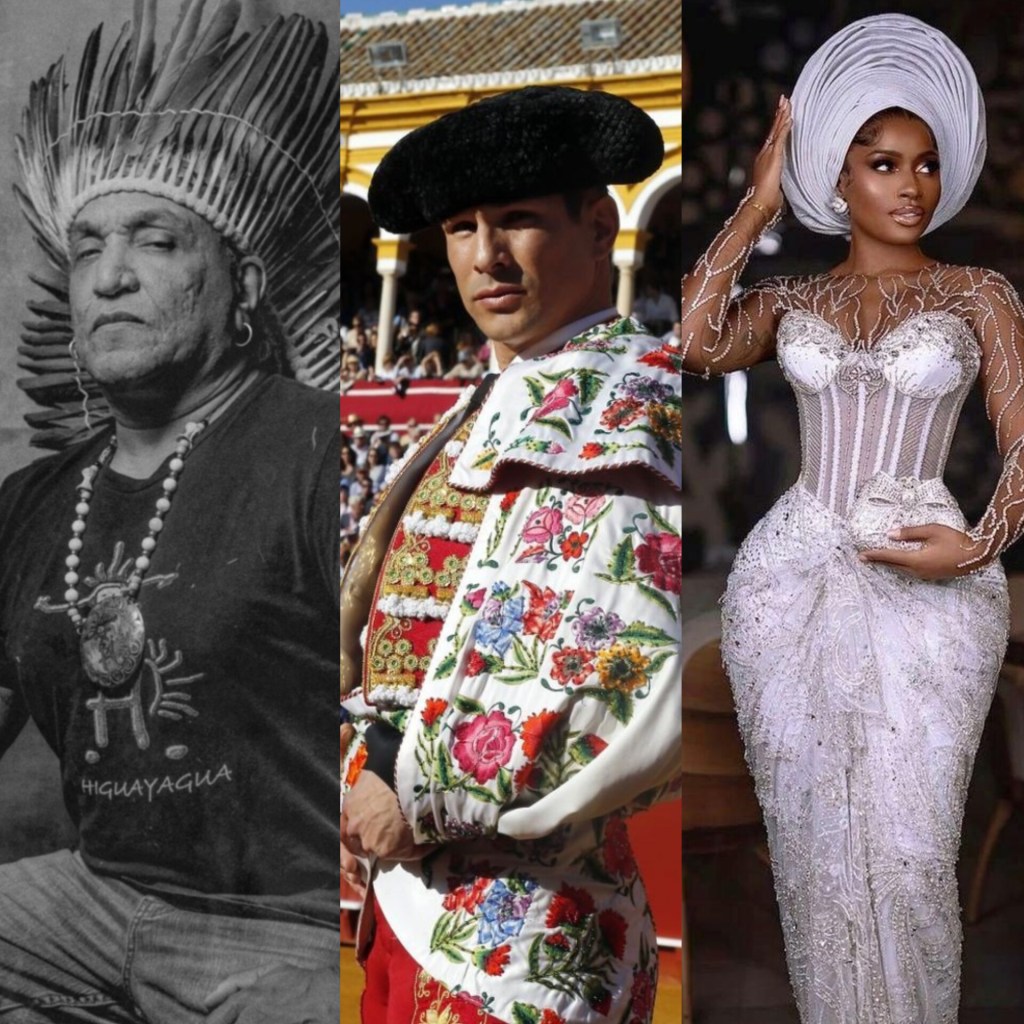
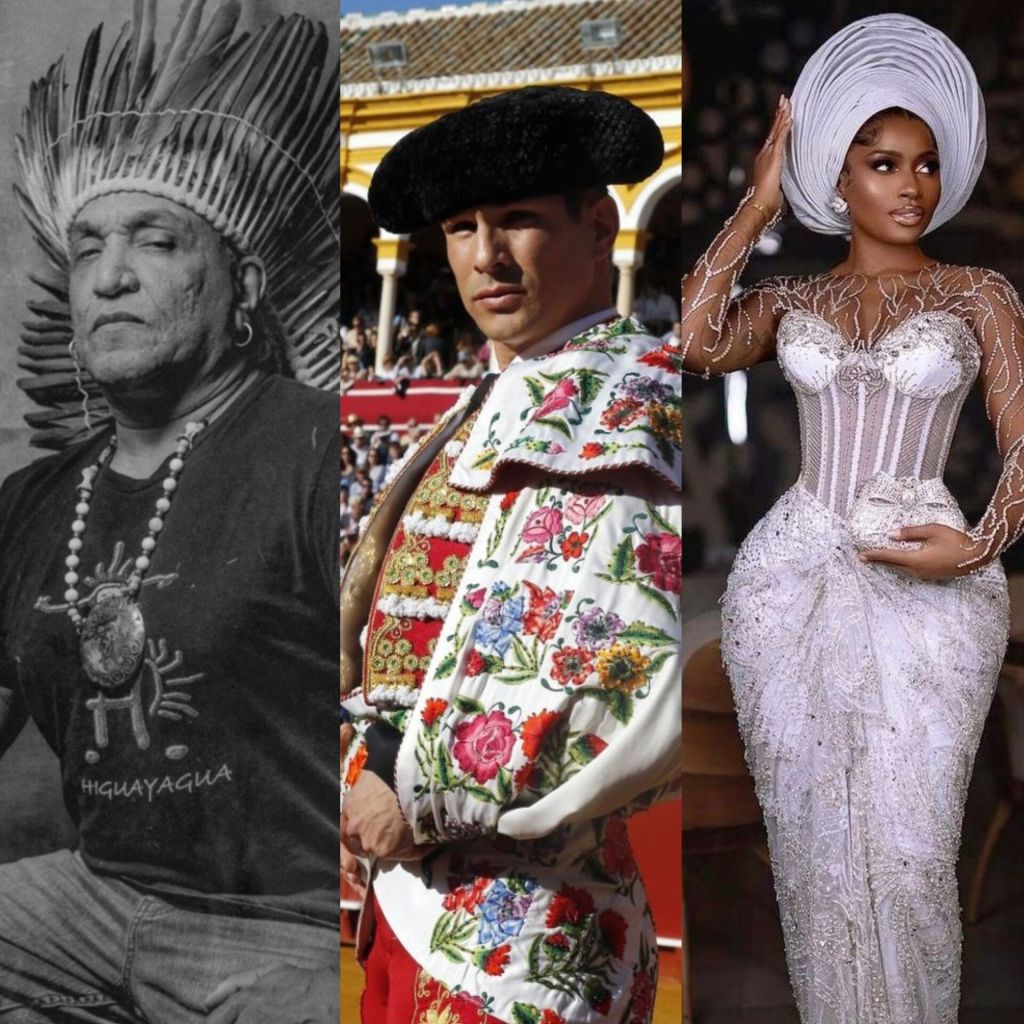
Dominicans come from a rich and diverse heritage that is a result of centuries of blending between various cultures. When the Spaniards first arrived on the island of Hispaniola, which was home to the Taíno people, they brought Africans as part of the transatlantic slave trade. However, unlike the British colonizers who sought to keep their bloodlines “pure” and separate, the Spaniards believed in spreading their seed. According to research by archaeologist Lynn Guitar, 40% of Spanish men married Taíno women, creating an early mix of cultures on the island. This helps explain why many Dominicans don’t identify in the same way as African Americans, who have had a different historical experience.
For myself, my DNA reflects this blend. I’m 51% European, with Spanish, Balkan, Finnish, and Jewish roots, as well as African heritage. But I don’t choose one identity over another—I embrace all of it as part of my mixed background. While many Dominicans acknowledge their African roots, not all identify as “Black” in the way it’s commonly understood in the U.S., where the “one-drop rule” historically meant that even a small amount of African ancestry would categorize someone as Black.
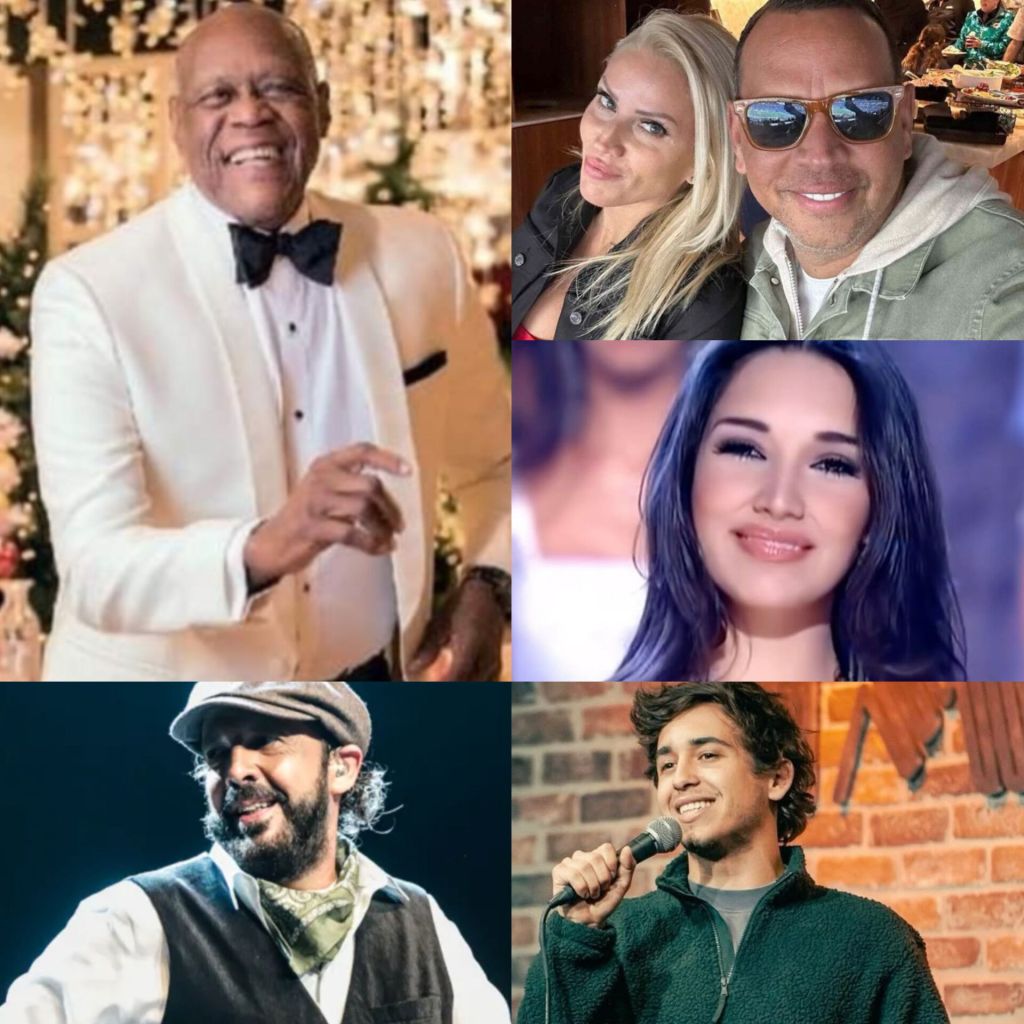
A good example of this misunderstanding is the backlash that singer Dani Leigh 🇩🇴 faced. She was accused of being a white woman “catfishing” as Black when she created her song “Yellow Bone.” Critics were upset because her parents looked more European and didn’t appear African, even though some of the same people insist that all Dominicans are Black. This highlights the challenges Dominicans face in navigating racial identity. It’s important to understand that identity is personal and often complex, and we should respect each person’s unique background.
I admire individuals like Shemar Moore, who is open about being proud of both his Black and White ancestry. He embraces his mixed heritage, and I find that inspiring. Like him, I’m proud of all aspects of my heritage and believe that no one should feel ashamed of their identity, no matter how complex or mixed it may be.
Sometimes, media misrepresents Dominican identity. Comedian Godfrey, for example, made a joke about Dominicans denying they are Black, which reinforces harmful stereotypes. As a Dominican, I can see the diversity within our community, even among those with similar skin tones. Our identity is more nuanced than any one label can describe.
People’s identities should be respected—whether someone is of mixed or biracial heritage and chooses to acknowledge all parts of their background, including their non-Black ancestry. This doesn’t make someone a racist; it simply means they are comfortable in their own skin and proud of their full identity.
Tips for Embracing Your Mixed or Biracial Heritage:
1. Celebrate every part of your heritage: Take pride in the diversity that makes up your background, from all cultures that have shaped who you are.
2. Don’t let negativity bring you down: Stand firm in who you are, even if others don’t understand or agree with your identity.
3. Own your story with confidence: Your unique background is valuable, and sharing your story helps others appreciate the beauty of diversity.
4. Explore your heritage: Don’t feel guilty for learning about the different heritages that make up who you are. Do your research, learn about the cultures, and embrace the richness of your background. Understanding your roots will make you feel even more connected to your identity.


 Tales Of The Chair
Leave a reply to mulattovanguard Cancel reply