
I had a client recently, a tall, beautiful woman with flawless, even-toned peanut-butter-colored skin. She has thick, long hair and a big, bright smile. She works at a high-level banking position and lives in a gorgeous house in a well-to-do neighborhood. To many around her, she seems like a goddess, with friends practically worshipping her. But as I’ve learned, putting people on a pedestal often leads to disappointment.
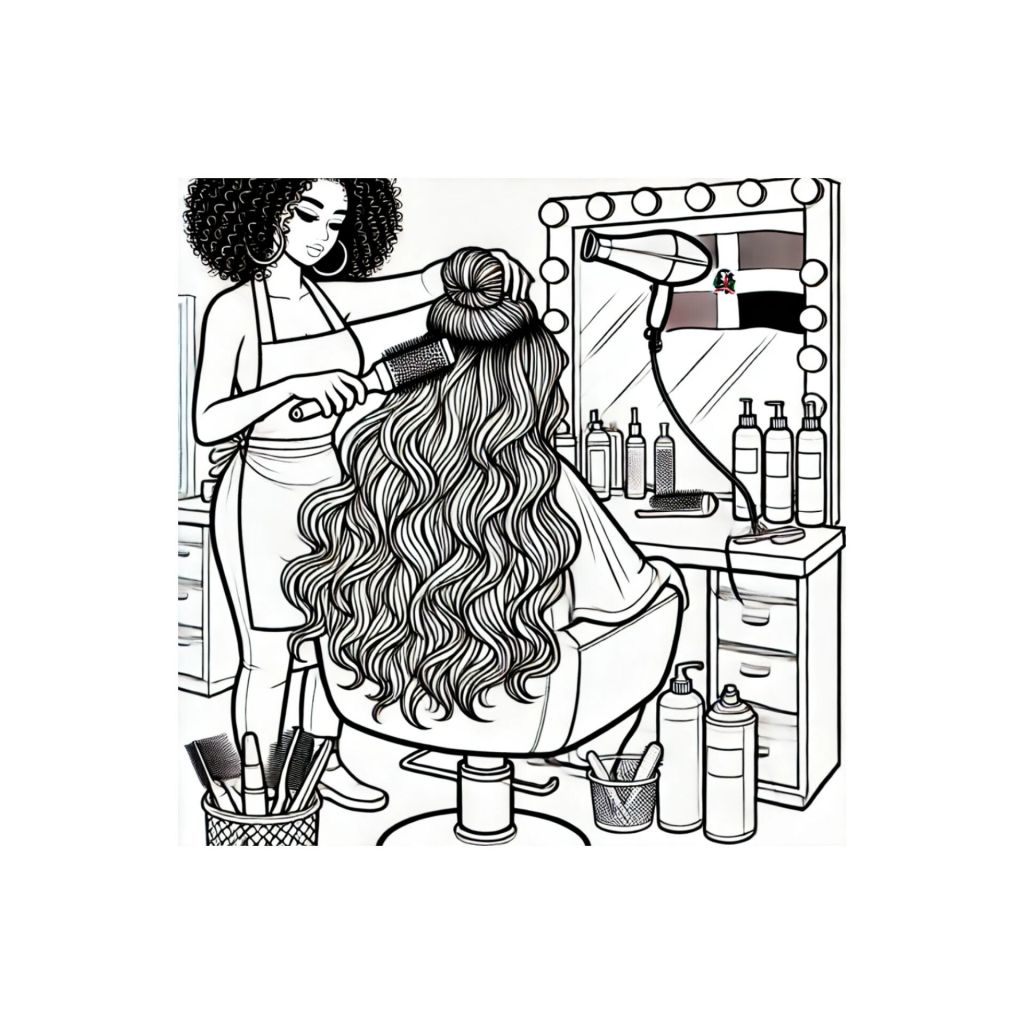
During a recent hair appointment, she was persistent about getting her hair done because she had just flown in from Spain. She wanted to look her best, so I came in to work on a Sunday just for her. After her appointment, she paid me with a $100 bill for a $75 service. I was suspicious about the bill but decided to accept it, hoping that her conscience would kick in and she’d realize her mistake. After all, she’s a manager at a bank and should know better.
After she left, I went to an ATM to deposit the bill, and right away, I noticed something was off. The ATM made a noise that sounded like a broken-down car engine, struggling with the $100 bill. I’m very familiar with ATMs since I conduct most of my banking through them, and I know when something isn’t right.
Tip 1: Counterfeit bills often feel different from genuine money. A real bill has grids and texture, while counterfeit money can feel like thin, smooth paper, almost like the fake currency used in the board game Monopoly.
I decided to try another ATM, but the same issue occurred. That’s when I went to a local store named Kohl’s, a popular department store in the U.S. that sells clothing, home goods, and other items. Inside many Kohl’s stores, there is also a beauty store called Sephora, which specializes in high-end makeup and skincare products. I went there to buy a lipstick, even though I didn’t need it, to break the $100 bill. When I handed the cashier the bill, she called an assistant manager over to me to pick up the $100 bill. They took it back, tested it on their machine, and a few minutes later, they informed me that they had to keep it because it was counterfeit.
I immediately called the client and let her know what had happened. She acted shocked that the bill was fake. How can you be shocked that it’s fake when you’re a manager at a bank? If she works at a bank, she should’ve already known it was counterfeit.
Tip 2: Just because a counterfeit bill passes the marker test doesn’t mean it’s real. Some counterfeit bills require more advanced detection methods, like using a machine, which is what they did at Kohl’s.
The whole experience was disheartening. It wasn’t about the money anymore—it was the principle of the matter. She not only got a free hair service but also $25 in real cash from me—a $20 and a $5 bill. So, she walked away with a free hairdo and free money.
Tip 3: Real $100 bills have security features like watermarks and security threads. If you’re unsure, check for these or take the bill to a trusted bank for verification.
At this point in my life, I’ve learned to forgive people, but just because you forgive someone doesn’t mean that you’re obligated to associate with them or continue to have business dealings with them. I don’t wish her any harm; I genuinely hope she stops trying to scam people and learns from this lesson. One day, she might come across the wrong person who could call the cops on her, and she could end up facing serious consequences for committing a federal crime. Just because I’ve forgiven her doesn’t mean I have to accept her back as a client. The energy has shifted, and how could we even look each other in the face? Does she really think I’m naive enough to act as if nothing happened? No. I have my boundaries.
In her culture, they believe in karma, which suggests that the actions you take, good or bad, will eventually come back to you. I believe in biblical principles, such as “you reap what you sow.” Different wording, but the same principles. This belief serves as a moral framework, encouraging individuals to act kindly and ethically. It’s a reminder that integrity in our actions is crucial in both personal and professional relationships. You would think she would know better. You can forgive, but you don’t have to forget. Most importantly, you don’t have to keep toxic people around, they’re bad for your physical and mental state. Who has time for all that?😆
Coach Evy





 Tales Of The Chair
Leave a reply to helpmehelpyourdesk Cancel reply